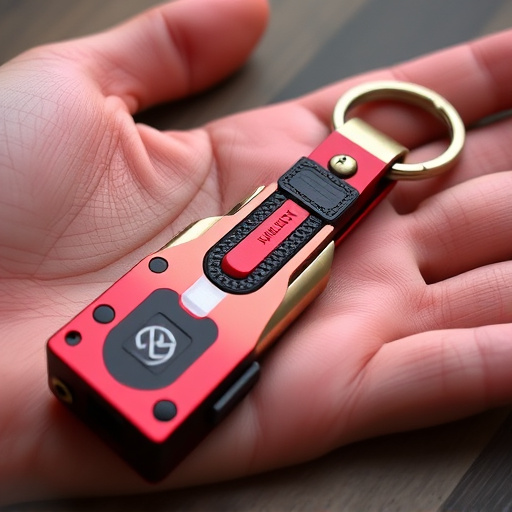
In today's digital era, keychain defense tools have gained popularity as self-defense options for runners and outdoor enthusiasts. Understanding state laws is crucial, as regulations vary widely on carrying and using personal defense weapons like keychains. When choosing, consider compact, lightweight designs with functional features, matching them to your running environment. These tools offer effective protection, easily concealed, and can deter attackers during runs. Proper training in usage ensures confident protection in emergencies.
In today’s world, runners often seek effective self-defense options that are both compact and readily accessible. Defensive keychains have emerged as a popular choice among runners looking to enhance their personal safety while on the go. This article explores the defensive keychain legal carry guidelines across states, providing insights into choosing reliable keychain defense tools for optimal protection. We’ll also cover carrying techniques, debunk common misconceptions, and guide you through understanding when and how to use your device effectively.
- Understanding State Laws on Self-Defense Keychains
- Choosing Legal and Effective Running Defense Tools
- Carrying Techniques for Optimal Self-Protection
- Common Misconceptions About Keychain Weapons
- Enhancing Safety: When and How to Use Your Keychain Defense Device
Understanding State Laws on Self-Defense Keychains
In today’s digital era, where personal safety is a top concern for many runners and outdoor enthusiasts, keychain defense tools have emerged as convenient and effective self-defense mechanisms. For those who prefer to be prepared while on their runs or during leisure activities, understanding the legal framework surrounding these devices is essential. Each state in the US has its own set of regulations regarding the carry and use of personal defense weapons, including keychains designed for protection.
When it comes to keychain defense tools for runners, it’s crucial to familiarize yourself with your state’s laws. Some states allow the open or concealed carrying of such devices for self-defense purposes, while others may have restrictions on the type of weapon and where it can be carried. For instance, certain states classify keychains as legal if they are designed solely for personal protection and meet specific size and functionality criteria. Always check your state’s legislation to ensure compliance, as definitions of what constitutes a legal self-defense keychain can vary widely across different regions.
Choosing Legal and Effective Running Defense Tools
When it comes to choosing defense tools for runners, opt for compact and lightweight keychain options that pack a punch. These keychain defense tools for runners should blend functionality with ease of carry, allowing you to keep them on hand at all times. Look for features like sharp blades or self-defense spikes that can be quickly deployed in case of an unexpected attack.
Consider the environment where you’ll most frequently use your keychain defense tool. Urban areas might call for a more robust design, while trail running could benefit from a versatile model with additional tools like a flashlight or multi-tool functions. Remember, the key is to select a legal and effective option that enhances your safety without becoming cumbersome or restrictive during your runs.
Carrying Techniques for Optimal Self-Protection
When it comes to self-protection while running, the keychain defense tools are a runner’s best kept secret. These compact and lightweight devices offer a simple yet effective way to deter potential attackers, providing peace of mind during your daily jogs or marathon training sessions. The key is in the technique – users must be trained to deploy these tools swiftly and accurately.
For optimal effectiveness, runners should practice different carrying techniques suitable for various scenarios. Attaching the keychain defense tool to a belt loop or pocket ensures quick accessibility when facing close-quarters threats. Alternately, holding it firmly in your hand during high-risk areas allows for a swift strike and retreat strategy. Mastering these techniques empowers runners to defend themselves confidently, transforming an everyday run into a safer experience.
Common Misconceptions About Keychain Weapons
Many people believe that keychain weapons are solely for show and don’t offer any genuine defensive capabilities. However, this couldn’t be further from the truth! These compact self-defense tools are designed to provide runners and outdoor enthusiasts with a quick and effective means of protection when facing unexpected threats. Keychain defense tools come in various forms, such as tactical flashlights or advanced knife designs, offering more than just a visual deterrent.
Another common misconception is that these tiny weapons lack the power to halt an attack. In reality, when used correctly, a well-designed keychain self-defense tool can incapacitate an assailant, giving its user precious time to escape. It’s crucial to understand that while they are small and lightweight, their functionality is optimized for real-world scenarios, making them valuable additions to the gear of any runner concerned about personal safety.
Enhancing Safety: When and How to Use Your Keychain Defense Device
For runners and outdoor enthusiasts, enhancing personal safety while on the go is paramount. This is where keychain defense tools for runners come into play as a convenient and discrete self-defense mechanism. When faced with potential threats, such as unexpected encounters or unexpected physical attacks, these compact devices can provide a sense of security.
The use of a keychain defense tool is situationally dependent on the runner’s environment and perceived risks. For instance, when running in isolated areas or at night, having a keychain defense tool readily available can offer peace of mind. It serves as a deterrent and a quick response mechanism if needed. Proper training in its usage is essential to ensure effective deployment during emergencies, allowing runners to protect themselves confidently while enjoying their outdoor activities.
In conclusion, understanding and adhering to state laws regarding self-defense keychains is paramount for runners seeking effective personal protection. Choosing the right tools, mastering carrying techniques, and dispelling common misconceptions can enhance your safety during runs. Remember, while keychain defense devices offer a convenient option, their use should be judicious and only when absolutely necessary for self-defense. By staying informed and prepared, runners can confidently navigate their trails with enhanced peace of mind. For those looking to invest in Keychain Defense Tools for Runners, researching local regulations and understanding the responsible use of these devices is key to ensuring a safe and enjoyable running experience.